
Unlocking the Power of Hyperbaric Oxygen Therapy: A Life-Changing Treatment
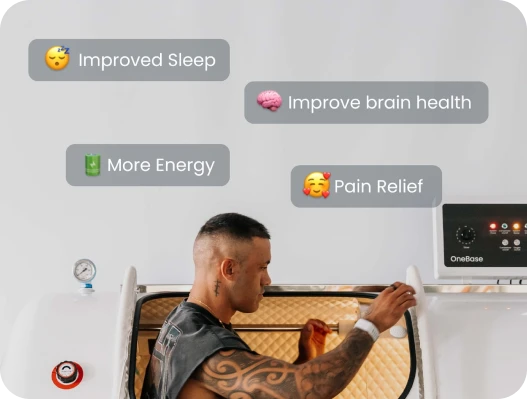
Imagine a treatment that could potentially reverse brain damage, heal stubborn wounds, and even improve athletic performance. Sounds too good to be true, right? Well, buckle up, because we’re about to dive into the fascinating world of Hyperbaric Oxygen Therapy (HBOT). This groundbreaking treatment has been making waves in the medical community, with one study showing a 59% reduction in healing time for diabetic foot ulcers. But HBOT isn’t just about faster healing – it’s about transforming lives.
A Brief History of HBOT
Hyperbaric oxygen therapy has a rich history that dates back to the 17th century. Nathaniel Henshaw, an English physician, proposed the use of a “dome” to treat various ailments in 1662. However, it wasn’t until the 20th century that HBOT gained significant traction, particularly in the treatment of diving injuries and later for other medical conditions. Understanding this historical context adds depth to the evolution and development of HBOT.
What is Hyperbaric Oxygen Therapy?
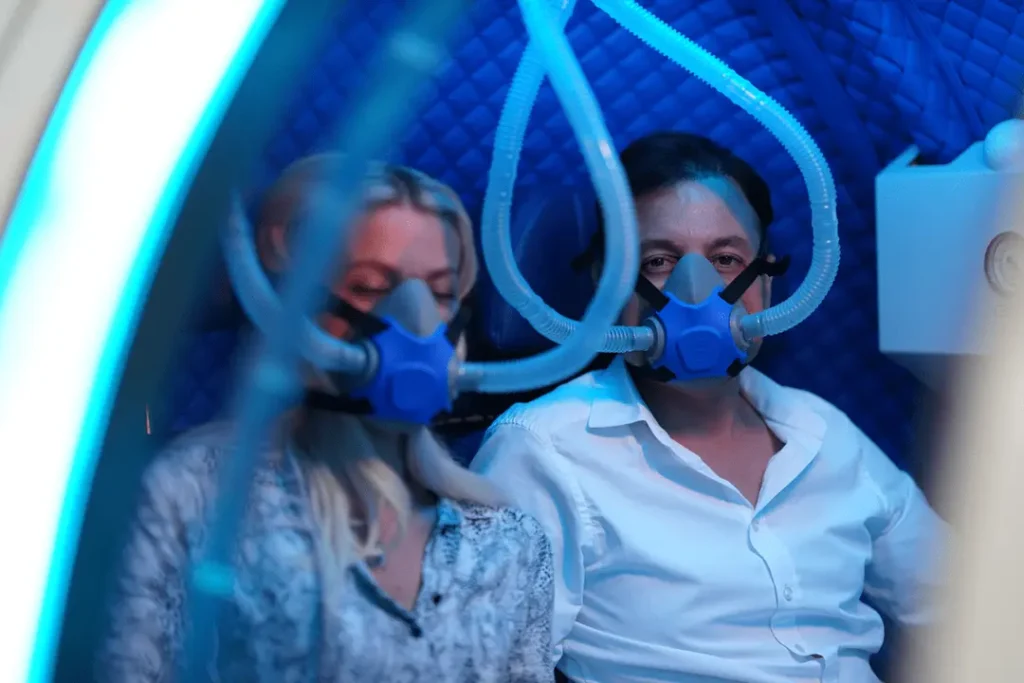
Have you ever wondered what it would be like to breathe pure oxygen under pressure? That’s essentially what HBOT is all about. In a hyperbaric chamber, you’re surrounded by pure oxygen at higher-than-normal atmospheric pressure. But why does this matter?
Think of your body as a sponge. Under normal conditions, it can only absorb so much oxygen. But when you’re in a hyperbaric chamber, it’s like squeezing that sponge underwater – it absorbs much more. This super-oxygenation of your body can kick-start healing processes, reduce inflammation, and even create new blood vessels.
The Science Behind HBOT
So, how does breathing extra oxygen actually help? It’s all about giving your cells the fuel they need to function at their best. When you flood your body with oxygen, several amazing things happen:
Oxygen Delivery: Your blood carries more oxygen to tissues that need it most.
Stem Cell Production: Your body produces more stem cells, which can help repair damaged areas.
Inflammation Reduction: Inflammation is reduced, allowing for faster healing.
New Blood Vessel Formation: New blood vessels are formed, improving circulation.
It’s like giving your body’s repair crew a turbo boost and extra supplies all at once!
Medical Applications of HBOT
HBOT isn’t just a one-trick pony. Its applications are as diverse as they are impressive. Let’s look at some of the conditions that can benefit from this therapy:
Wound Healing and Tissue Repair
Diabetic Foot Ulcers: Studies have shown that HBOT can reduce the healing time of diabetic foot ulcers by up to 59% and increase the success rate of skin grafts by up to 75%.
Radiation Injuries: HBOT can aid in the healing of radiation burns and injuries.
Burns and Skin Grafts: It can significantly improve the healing process for burns and skin grafts.
You can access the latest research on HBOT and Wound Healing and Tissue Repair here.
Neurological Conditions
Traumatic Brain Injury: The US military has used HBOT to treat veterans with PTSD and TBI, showing significant improvements in their condition.
Stroke Recovery: HBOT can improve cognitive function and aid in faster recovery from brain injuries.
Autism Spectrum Disorders: Some studies suggest HBOT can improve behavioral and cognitive functions in individuals with autism.
The brain is hungry for oxygen, and HBOT delivers it in spades. This can lead to improved cognitive function and faster recovery from brain injuries.
You can access the latest research on HBOT and neurological conditions here.
Chronic Illnesses
Fibromyalgia: HBOT offers hope for those battling chronic conditions by potentially alleviating symptoms and improving quality of life.
Chronic Fatigue Syndrome: One patient, Sarah, reported feeling “like a fog had lifted” after a series of HBOT treatments, enabling her to return to work and enjoy activities she had long since given up.
Lyme Disease: HBOT can help in managing the symptoms and improving the overall health of individuals with Lyme disease.
HBOT and Brain Function
One of the most exciting areas of HBOT research is its effect on brain function. It’s not just about healing injuries – it’s about optimizing your brain’s performance.
Cognitive Enhancement
HBOT has been shown to improve memory, concentration, and mental clarity. Recent studies have also indicated that HBOT can improve cognitive function in patients with Alzheimer’s disease, highlighting its potential in neurodegenerative conditions.
Neuroplasticity and Brain Repair
By stimulating the growth of new neural connections, HBOT can help your brain heal and adapt. Here’s
Life-Changing Results: Patient Stories
The true power of HBOT is best illustrated through the stories of those whose lives it has changed. From chronic pain sufferers regaining their mobility to stroke victims reclaiming their independence, the impacts are profound and far-reaching.
You can see the life changing results of HBOT from real academic research here.
The Future of HBOT
As research continues, we’re discovering new applications for HBOT every day. For instance, recent studies have shown promising results in using HBOT for conditions such as post-traumatic stress disorder (PTSD) and Alzheimer’s disease. From potential treatments for neurodegenerative diseases to innovative portable chambers for home use, the future of HBOT is bright.
Common Side Effects and Management
While HBOT is generally safe, some people may experience temporary side effects such as ear pressure, sinus discomfort, or claustrophobia. Fatigue is another common side effect, which can be managed through rest, proper hydration, balanced nutrition, and gentle physical activity.