
Unlocking the Secrets of Cellular Energy
Did you know that your body produces enough energy every day to power a small city? It’s true! Yet, many of us struggle with fatigue and low energy levels. Despite having a clean diet with regular exercise, many find themselves constantly exhausted with a pervasive ‘hungover’ feeling without the fun the night before. These aren’t unique and highlight a crucial question: How exactly does our body generate all this energy?
Understanding the intricate process of cellular respiration, particularly the electron transport chain, is key to unlocking the mysteries of our body’s energy production. In this post, we’ll dive deep into this fascinating biological process, exploring how it impacts your overall health and vitality.

Unlocking the Secrets of Cellular Energy
Did you know that your body produces enough energy every day to power a small city? It’s true! Yet, many of us struggle with fatigue and low energy levels. Despite having a clean diet with regular exercise, many find themselves constantly exhausted with a pervasive ‘hungover’ feeling without the fun the night before. These aren’t unique and highlight a crucial question: How exactly does our body generate all this energy?
Understanding the intricate process of cellular respiration, particularly the electron transport chain, is key to unlocking the mysteries of our body’s energy production. In this post, we’ll dive deep into this fascinating biological process, exploring how it impacts your overall health and vitality.
Historical Context of Cellular Respiration The concept of cellular respiration and the electron transport chain has evolutionary and historical roots. The discovery of the ETC is attributed to Peter D. Mitchell, who proposed the chemiosmotic theory in 1961, for which he received the Nobel Prize in Chemistry in 1978. This historical context adds a layer of scientific credibility and depth to our understanding.
The Basics of Cellular Respiration: Your Body’s Power Plant
Cellular respiration is the process by which your cells convert nutrients into energy. It’s like a tiny power plant operating in each of your trillions of cells. But where exactly does this magic happen?
Enter the mitochondria, often called the “powerhouses of the cell.” These bean-shaped organelles are the site of cellular respiration, and they’re packed with an intricate system of membranes where the electron transport chain takes place.
The Electron Transport Chain Explained: A Molecular Relay Race
Imagine a molecular relay race happening inside your cells. That’s essentially what the electron transport chain (ETC) is. But instead of passing a baton, electrons are being handed off from one protein complex to another. Here’s how it works:
Electron Donors: Electron donors (NADH and FADH2) deliver high-energy electrons to the chain.
Energy Release: These electrons flow through a series of protein complexes, releasing energy at each step.
Proton Gradient: The released energy is used to pump protons into the intermembrane space, creating a gradient.
ATP Synthesis: Finally, ATP synthase uses this proton gradient to produce ATP, the energy currency of the cell.
Oxygen: The Breath of Life for Your Cells
You’ve probably heard that oxygen is essential for life, but do you know why? In the electron transport chain, oxygen plays a crucial role as the final electron acceptor. Without oxygen, the entire process would grind to a halt, like a car running out of gas.
This is why aerobic respiration (with oxygen) is so much more efficient than anaerobic processes. The electron transport chain can produce up to 34 ATP molecules per glucose molecule, compared to just 2 ATP from anaerobic glycolysis. Talk about a power boost!
Mitochondrial Function and Health: The Key to Vitality
The health of your mitochondria directly impacts your overall wellbeing. When the electron transport chain is functioning optimally, you feel energized and vibrant. But when it’s compromised, you might experience fatigue, muscle weakness, or even more serious mitochondrial disorders.
Recent Developments in Mitochondrial Research
Recent studies have shown advancements in understanding mitochondrial function and its implications on human health. For example, research on mitochondrial dynamics, including fusion and fission, has provided new insights into how mitochondria adapt to cellular demands. These findings highlight the dynamic nature of mitochondrial health and its relevance to contemporary health issues.
Several factors can affect the efficiency of your electron transport chain:
Diet: Certain nutrients are crucial for mitochondrial function. Exercise: Regular physical activity can increase the number and efficiency of mitochondria. Environmental Factors: Toxins and stress can damage mitochondria.
Quantitative Evidence on Mitochondrial Health
Studies have quantitatively demonstrated the impact of lifestyle factors on mitochondrial health. For instance, a study published in the Journal of Applied Physiology found that regular aerobic exercise can increase mitochondrial density by up to 50% in muscle tissue. This empirical evidence strengthens the argument for the importance of lifestyle changes in supporting mitochondrial health.
Practical Implications: Boosting Your Cellular Energy
Understanding the electron transport chain isn’t just academic knowledge—it has real-world applications. For athletes, optimizing mitochondrial function can lead to improved performance and faster recovery. In medicine, targeting the electron transport chain could open up new avenues for treating various diseases.
Real-World Applications and Case Studies
There are several real-world applications and case studies that demonstrate the impact of optimizing the electron transport chain. For example, athletes have seen improved performance by focusing on mitochondrial health through tailored diets and training programs. These tangible examples make the content more relatable and practical4.
So, how can you support your cellular energy production? Consider these strategies:
Eat a Nutrient-Rich Diet: 80/20 rule: 80% of your diet should be whole foods. Explore grass-fed ruminants, eggs, raw dairy & raw fats like coconut oil & organic fruit and vegetables. (Especially sprouts)
**Breathe to slow your burn rate: **Stress ages you faster than any birthday ever will. One of the quickest ways to calm your system? Breathe slower. Inhale for 4 seconds, exhale for 6+. A free anti-aging hack you can use anytime, anywhere.
Engage in Regular Exercise: Both cardio and strength training. Dynamic, free-flowing movement ALL DAY—like Qi Gong, lifting weights, or walking—is key to aging like fine wine. But don’t forget muscle. Train hard 2-3x a week or do 20-30 min daily of focused movement to build strength.
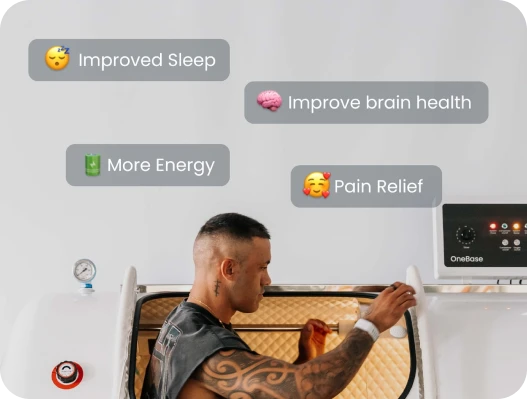
**Hyperbaric Oxygen Therapy: **HBOT is known for its neuroprotective effects, specifically allowing collateral circulation through the growth of new blood vessels to provide oxygen to affected areas of the body. This mechanism results in increased oxygenation improving mitochondrial metabolism and tissue oxygenation, increasing cerebral blood flow and cellular survival, helping immune cells fight off bacteria, and improving overall energy.
**Methylene Blue: **Methylene Blue acts as an electron donor to mitochondria which helps you produce more ATP. It’s a long studied compound that has been for 100 years.
Get Adequate Sleep: An obvious yet under utilised tool. Sleep is the only time where your cells have time to repair and regenerate. Never compromise on your sleep.