
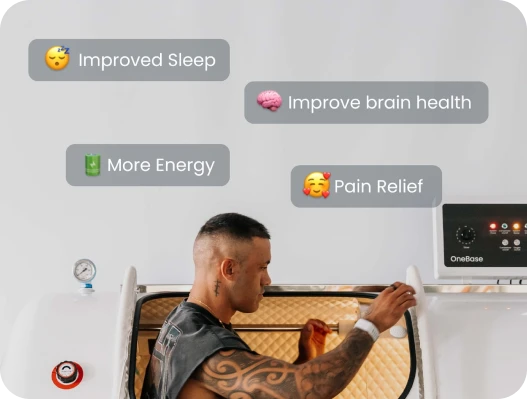
Diving into a World of Healing**
Did you know that hyperbaric oxygen therapy (HBOT) has shown a remarkable 85% success rate in treating certain non-healing wounds? For example, a diabetic patient who had been struggling with a persistent foot ulcer for months. After just a few HBOT sessions, they witnessed their wound begin to close, rekindling their hope for recovery. As interest in alternative and complementary therapies grows, HBOT is emerging as a powerful tool in addressing various medical conditions. In this post, we’ll explore the depths of hyperbaric oxygen therapy, empowering you with the knowledge to make informed decisions about your health journey.
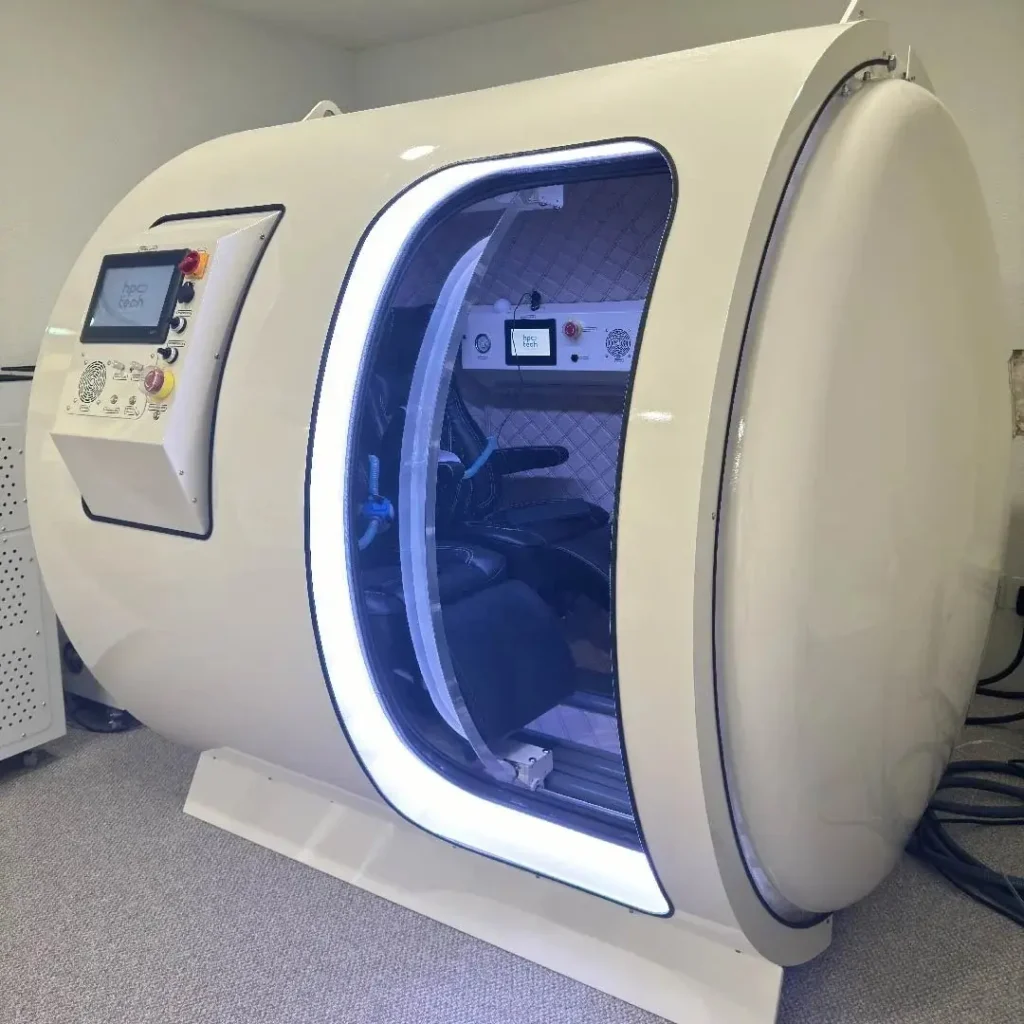
Historical Milestones: The Roots of HBOT
HBOT’s history is as fascinating as it is long. Here are some key milestones that highlight its evolution:
1662: British physician Nathaniel Henshaw built the first pressurized room to treat pulmonary and digestive conditions, marking the beginning of oxygen therapy.
1772: Oxygen was discovered by Karl W. Scheele, a Swedish pharmacist, which later contributed to the development of HBOT.
1788: Compressed hyperbaric air was used in a diving bell for underwater repair, leading to advancements in diving and hyperbaric medicine.
1834: Dr. Junod built the first true hyperbaric tank in France to treat pulmonary disease.
1860: The first hyperbaric chamber was used in North America.
1876: In the USA, hyperbaric chambers were used to treat nervous disorders.
1928: Dr. Orville Cunningham built a 5-story hyperbaric chamber in Cleveland to treat flu patients, and Harvard Medical School built its first hyperbaric chamber.
Understanding Hyperbaric Oxygen Therapy (HBOT): More Than Just Breathing
Have you ever wondered what it would be like to breathe pure oxygen under pressure? That’s essentially what HBOT is all about. But how does it work, and where did it come from?
What is HBOT?
Hyperbaric oxygen therapy is a medical treatment that involves breathing pure oxygen in a pressurized environment. It’s like taking a deep dive into an ocean of healing oxygen, but without getting wet. This therapy has roots dating back to the 17th century, but it wasn’t until the 1960s that it gained recognition for treating decompression sickness in divers.
How HBOT Works: The Pressure is On
When you step into a hyperbaric chamber, it’s as if you’re descending into the depths of the sea. The increased atmospheric pressure allows your body to absorb much more oxygen than usual. This supercharged oxygen delivery sparks a cascade of healing processes in your body:
- Your blood plasma becomes saturated with oxygen.
- Oxygen reaches areas with poor blood flow.
- Inflammation is reduced.
- New blood vessels form.
- Your body’s natural healing processes are turbo-charged.
The Science Behind HBOT: Oxygen Overload (in a Good Way)
Increased Oxygen Saturation: Henry’s Law in Action
Remember Henry’s Law from high school chemistry? It states that the amount of dissolved gas in a liquid is proportional to its partial pressure above the liquid. In HBOT, this means your body can dissolve much more oxygen in your blood plasma, sometimes up to 20 times more than normal.
Cellular Effects: Waking Up Your Body’s Healing Powers
Imagine your cells as tiny factories. With HBOT, it’s like you’re giving them a surge of power, ramping up production:
- Cellular metabolism gets a boost.
- New blood vessels sprout, improving circulation.
- Stem cells are activated, promoting tissue repair.
Anti-inflammatory and Antimicrobial Properties: Fighting the Good Fight
HBOT doesn’t just heal; it also defends. The therapy reduces inflammation markers and acts as a natural antibiotic, helping your body fend off harmful bacteria.
Significant Advances and Applications
FDA-Approved Uses: The Tried and True
HBOT has proven its worth in treating:
- Decompression sickness (the bends)
- Carbon monoxide poisoning
- Non-healing wounds, like diabetic foot ulcers
- Gas gangrene
- Crush injuries
- Infections in bones (osteomyelitis) that don’t respond to other treatments
- Delayed radiation injury
- Flesh-eating disease (necrotizing soft tissue infection)
- Air or gas bubble trapped in a blood vessel (air or gas embolism)
- Chronic infection called actinomycosis.
Emerging Applications: Pushing the Boundaries
Researchers are exploring HBOT’s potential in treating:
- Neurological conditions like stroke and traumatic brain injury
- Sports injuries for faster recovery
- Chronic fatigue syndrome
- Diabetes complications
- Autism spectrum disorders
- Fibromyalgia.
The HBOT Treatment Process: Your Journey to Healing
Pre-Treatment Preparation: Setting the Stage
Before you dive in, you’ll need:
- A thorough medical evaluation
- Clear understanding of what to expect
During the Treatment: The Dive
Your HBOT session might feel like a mini-adventure:
- You’ll enter a chamber (either a tube for one or a room for multiple people).
- Sessions typically last 60-90 minutes, but can range from 45 minutes to 300 minutes depending on the condition.
- You might feel pressure in your ears, similar to flying. Swallowing or chewing gum can help alleviate this discomfort.
Post-Treatment Care: Surfacing Safely
After your session:
- You’ll be monitored for side effects.
- Follow-up assessments will track your progress.
- You may feel lightheaded, so it’s advisable to have someone drive you home.
Safety and Side Effects of HBOT: Navigating the Waters
Common Side Effects: Minor Discomforts
Most side effects are mild and temporary:
- Ear and sinus discomfort
- Temporary changes in vision
- Mild fatigue
- Claustrophobia
Rare but Serious Complications: Staying Alert
While uncommon, it’s important to be aware of:
- Oxygen toxicity
- Barotrauma (injury from pressure changes)
- Eye damage
- Lung collapse
Contraindications: When to Stay on Dry Land
HBOT isn’t for everyone. Certain medications and medical conditions may rule it out, such as HIV/AIDS, brain injury, heart disease, stroke, asthma, depression, spinal cord injury, and sports injuries.
Modern Developments and Statistics
Current Usage: A Global Phenomenon
Approximately 30,000 HBOT treatments are executed globally each day, highlighting its widespread adoption.
Market Growth: Expanding Horizons
The global HBOT devices market is expected to reach USD 3.91 billion by 2025, up from USD 2.21 billion in 2016, indicating a growing demand for this therapy.
Professional Organizations and Recognition
1963: The first International Congress on Hyperbaric Medicine was held in Amsterdam.
1983: The American College of Hyperbaric Medicine was established, followed by the Undersea and Hyperbaric Medical Society (UHMS) in 1986, and the European Committee for Hyperbaric Medicine (ECHM) in 1990.
2004: Hyperbaric medicine became an independent medical discipline.